
ETP Capital
ETP Capital (Emerging Technology Partners, LLC) is a fund management company focused on primary market investments in the biopharmaceutical sector. Established in 2000, the firm is dedicated to investing in biotechnology startups centered on gene cloning, gene silencing, and antibody-based technologies. Its notable portfolio companies include publicly listed firms such as Human Longevity, Genetron Health, CASI Pharmaceuticals, and others.

Vesta Corporation
Vesta Corporation is a fintech company headquartered in Oregon, USA. It was founded in 1995 and has established itself as a leader in the field of payment fraud prevention. It specializes in serving the telecommunications industry, particularly prepaid wireless services and MVNOs. Its core platform integrates AI-powered payment processing, real-time risk decisioning, and fraud protection. Key offerings include Payment Guarantee™ (100% fraud chargeback guarantee for zero-risk transactions), risk scoring, and optimization for card-not-present (CNP) transactions. Leveraging over 25 years of data and processing more than $4 billion in transactions annually, it helps major carriers (e.g., AT&T, Vodafone) recover 2–5% of lost revenue. The company serves over 40 countries and handles more than 100 million transactions per year, making it a global leader in telecom fraud prevention and payments.
Amend Surgical
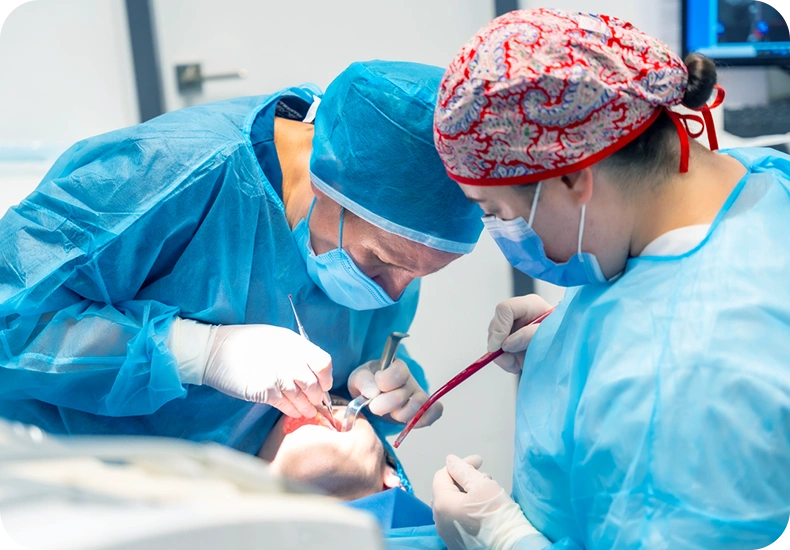
Amend Surgical, Inc. is a medical device and biotech company headquartered in Florida, USA. It specializes in developing innovative biomaterials and adhesives for oral surgery, dental, orthopedic, and regenerative medicine applications, focusing on enhancing bone healing, wound care, and sutureless repairs in wet tissue environments.
One of its flagship products, Amend Tissue Tape™ is a biocompatible hydrogel and chitosan-based glue and non-resorbable barrier that adheres and protects wet, uneven, and mechanically challenging surfaces such as those found in the oral cavity.
Another key product is Tissure™, A biocompatible hydrogel and chitosan-based glue and resorbable barrier that has the adhesion and mechanical strength to reconnect peripheral nerves without suture.
Additionally, NanoFUSE™ is currently the only commercially available implant that harnesses the synergistic combination of bioactive glass and demineralized allograft bone to aid in orthopedic and spinal fusion procedures.
OriGene Technologies
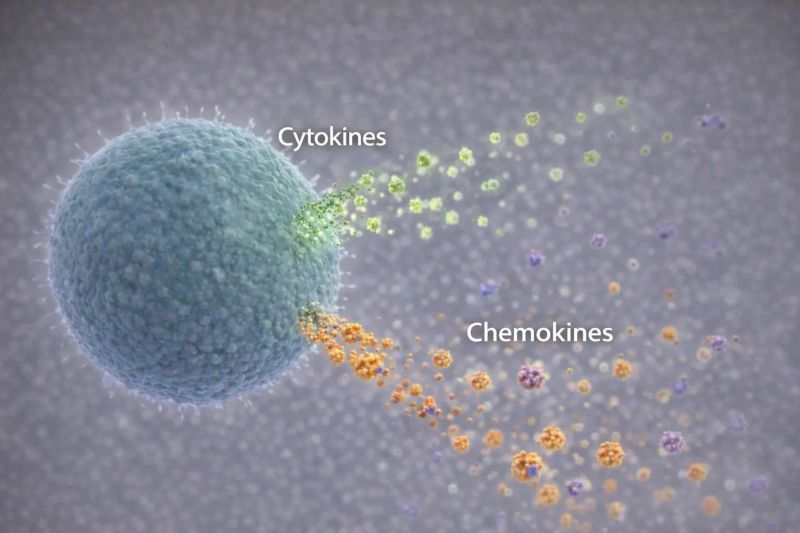
OriGene Technologies was founded in 1996 and is headquartered in Rockville, Maryland, USA. It is a globally leading gene-centric life sciences company specializing in genomic and proteomic research tools. The company possesses one of the world’s largest commercial collections of full-length human cDNA clones (over 580,000), and has developed more than one million research products. These include highly validated antibodies (monoclonal and polyclonal), full-length recombinant human proteins (covering over 50% of the human proteome), lentiviruses, CRISPR tools, shRNA, stable cell lines, tissue banks, and custom services. Its mission is to provide high-quality proteins and antibodies—one target at a time—to accelerate scientific breakthroughs and the development of novel diagnostics. For over 25 years, it has served academic institutions, pharmaceutical companies, and diagnostic organizations worldwide.
RNAimmune
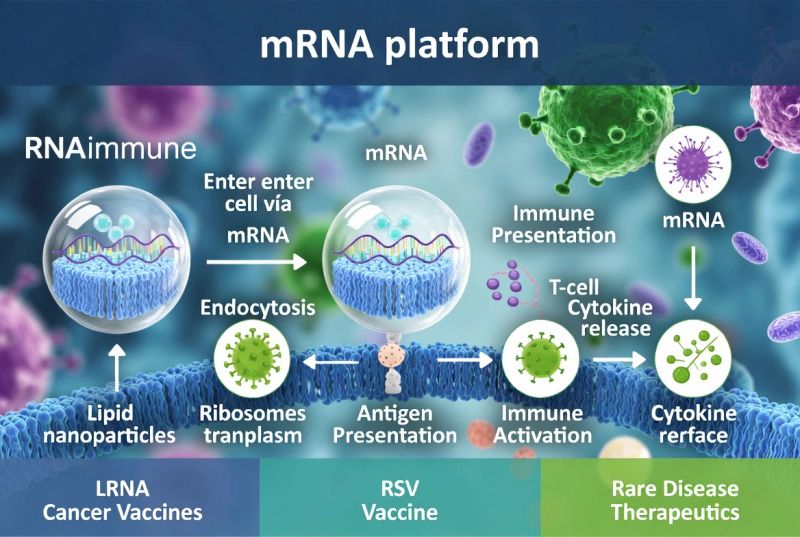
RNAimmune is headquartered in Maryland, United States. It is a biotechnology startup in the field of messenger RNA (mRNA) technology with more than 20 years’ expertise in handling and optimizing this versatile molecule for medical purposes. The principle of RNAimmune's proprietary technology is the use of mRNA as a data carrier to instruct the human body to produce its own proteins capable of fighting a wide range of diseases. The company applies its technologies for the development of cancer therapies, antibody therapies, the treatment of rare diseases, and prophylactic vaccines.
Therapeutic areas focus on Infectious Diseases, Immuno Oncology and Rare Diseases.
RNAimmune discovers and develops innovative medical solutions to address important, unmet medical needs in oncology, immunology, and infectious diseases.

Sirnaomics
Sirnaomics is a clinical-stage biopharmaceutical company founded in 2007 and headquartered in Maryland, United States, with branches in Boston (USA), Hong Kong, Guangzhou, and Suzhou in China.
Sirnaomics is the first to achieve positive Phase IIb clinical outcomes in oncology clinical-stage RNA therapeutics. It is a biopharmaceutical company with a strong presence in both Asia and the U.S. that is discovering and developing innovative drugs for significant unmet medical needs and large market opportunities. They have built a professional international team for the discovery and development of RNAi therapeutics and mRNA vaccines and therapeutics, based on their proprietary drug delivery technology platforms.
Sirnaomics was listed on the Hong Kong Stock Exchange at the end of 2024. Its clinical pipeline of small interfering RNA (siRNA) therapeutics primarily focuses on oncology. The company possesses unique patented technologies for targeted drug delivery into the nuclei of tumor cells, enabling precision treatment. Its representative drug candidates, STP705 and STP707, are both currently in Phase II clinical trials.
CASI Pharmaceuticals
CASI Pharmaceuticals is an innovative biopharmaceutical company listed on the NASDAQ. It was founded in 1991 as EntreMed and officially changed its name to CASI Pharmaceuticals in 2014. Headquartered in Maryland, United States, the company is dedicated to the development and commercialization of innovative drugs to address unmet medical needs worldwide.
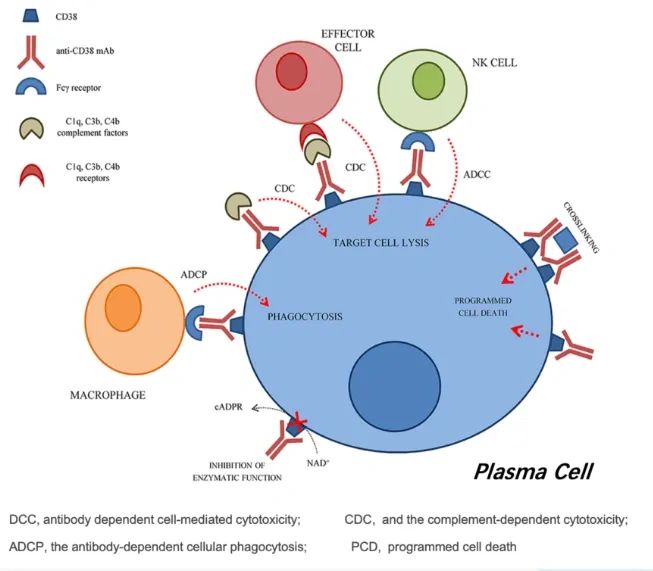
CASI is an innovative biopharmaceutical company developing an anti-CD38 monoclonal antibody treatment for organ transplant rejection and autoimmune diseases.
At CASI, they are striving to bring a first-in-class and best-in-class therapy to alleviate the burden of AMR on affected patients.
CASI is also focused on developing CID-103, an investigational monoclonal antibody. Its targets include B memory, plasmablasts, and B plasma cells. The anti-CD38 approach aims to address limitations seen with CD19 and CD20-targeted therapies, which do not deplete persistent plasma cells—cells that may contribute to organ transplant rejection by generating antibodies which attack the donor kidney.
GeYuan Group